%20(1).webp)
A straightforward introduction to connected TV, streaming inventory, and household reach—without the acronyms.
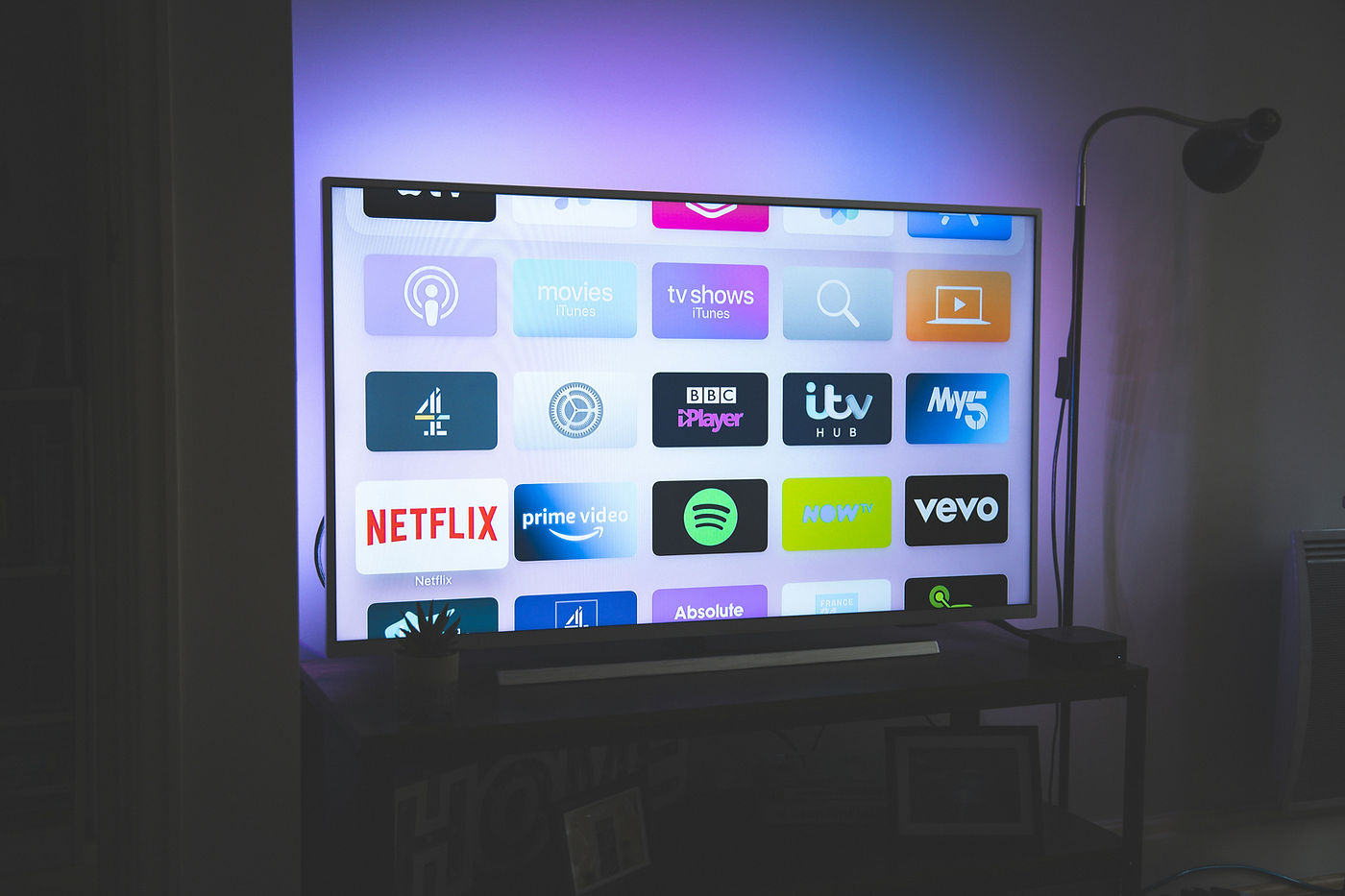
If you’ve researched streaming advertising for more than five minutes, you’ve probably run into a wall of acronyms:
For marketers, business owners, and agencies trying to understand streaming advertising, it can feel like everyone is speaking a different language.
The good news?
Streaming TV advertising is much simpler than the industry makes it sound.
Let’s break it down in plain English.
Streaming TV ads are video commercials that appear while people watch content through internet-connected devices instead of traditional cable television.
If you’ve ever watched:
You’ve likely seen a streaming TV ad.
They’re the commercials that play before, during, or after the content you’re watching.
The biggest difference is that streaming ads can be targeted much more precisely than traditional television advertising.
Traditional television advertising works a lot like a billboard.
A business buys airtime during a specific program and hopes the right people happen to be watching.
Streaming advertising works differently.
Instead of buying a television show, advertisers can often target specific audiences.
For example, a business may choose to reach:
This makes streaming advertising significantly more efficient than traditional television in many situations.
OTT stands for Over-The-Top.
The term sounds complicated, but it simply means content delivered over the internet instead of through a traditional cable box.
Examples include:
When someone watches television through an internet connection, they’re typically consuming OTT content.
That’s it.
The acronym is far more intimidating than the concept.
CTV stands for Connected TV.
A Connected TV is simply a television connected to the internet.
This could be:
Think of it this way:
Most people use the terms interchangeably because they are closely related.
Consumer behavior has changed dramatically over the last decade.
Many households now spend more time watching streaming content than traditional cable television.
As audiences move, advertising budgets follow.
Streaming offers several advantages:
People are actively watching content instead of scrolling past ads.
A full-screen video ad on a television generally receives more attention than a small display ad on a webpage.
Instead of advertising to everyone watching a show, advertisers can often focus on specific audiences.
Streaming campaigns can be highly effective for businesses targeting:
Unlike traditional TV, advertisers can gain more visibility into campaign delivery and audience reach.
This is where many explanations become overly technical.
In reality, the process is fairly straightforward.
First, an advertiser decides who they want to reach.
Then the advertising platform identifies streaming opportunities where those viewers can be reached.
When those viewers watch content, the ad is delivered.
That’s the simplified version.
The complexity happens behind the scenes, but advertisers don’t necessarily need to understand every technical detail to benefit from the channel.
Historically, advertisers approached streaming by asking:
“Which platform should we advertise on?”
Should we buy Hulu?
What about Netflix?
Would ESPN+ perform better?
Should we split budget across several platforms?
The challenge is that consumers don’t stay on one platform.
A household may watch:
Trying to predict where someone will watch content creates unnecessary complexity.
The most effective streaming strategies today focus on people instead of platforms.
Rather than asking:
“Where should we run ads?”
Advertisers increasingly ask:
“Who do we want to reach?”
Once that audience is defined, modern advertising technology can deliver campaigns across multiple streaming environments.
This is often called audience-first advertising.
It’s one of the biggest shifts happening in digital media today.
Imagine two advertisers.
Advertiser A buys ads exclusively on one streaming platform.
Advertiser B identifies the households they want to reach and follows those households across multiple streaming environments.
Which advertiser is more likely to maintain visibility as viewing habits change?
The answer is usually Advertiser B.
People move between platforms constantly.
The audience stays the same.
Not anymore.
Many local businesses, agencies, healthcare providers, home service companies, and political campaigns now use streaming advertising.
While premium inventory isn’t free, many campaigns can start with budgets that are comparable to other digital advertising channels.
Modern self-service platforms have dramatically simplified the process.
Many campaigns can be launched in minutes rather than weeks.
At AdLever, we believe most advertisers shouldn’t have to become streaming media experts.
You shouldn’t need to understand every acronym, inventory source, or platform relationship.
Instead, you should be able to focus on one question:
Who are you trying to reach?
AdLever allows businesses and agencies to build audience-focused campaigns that can be delivered across premium streaming environments, OTT inventory, connected TV platforms, live television streaming, sports content, and more.
Rather than forcing advertisers to choose between individual platforms, the platform is designed to help advertisers reach target households wherever they consume media.
The result is a simpler approach to streaming advertising—and one that’s better aligned with how people actually watch content today.
Streaming TV advertising isn’t nearly as complicated as the industry makes it sound.
Ignore the jargon and focus on the fundamentals:
That’s ultimately what drives results.
Everything else is just terminology.
If you’re ready to see how audience-first streaming advertising works, create your free AdLever account and start building your first campaign today.
Build an audience from your own contacts or verified household data, and reach those households on the devices they actually use.