%20(1).webp)
What streaming TV advertising actually costs depends on who you reach, how often, and how you buy the inventory.
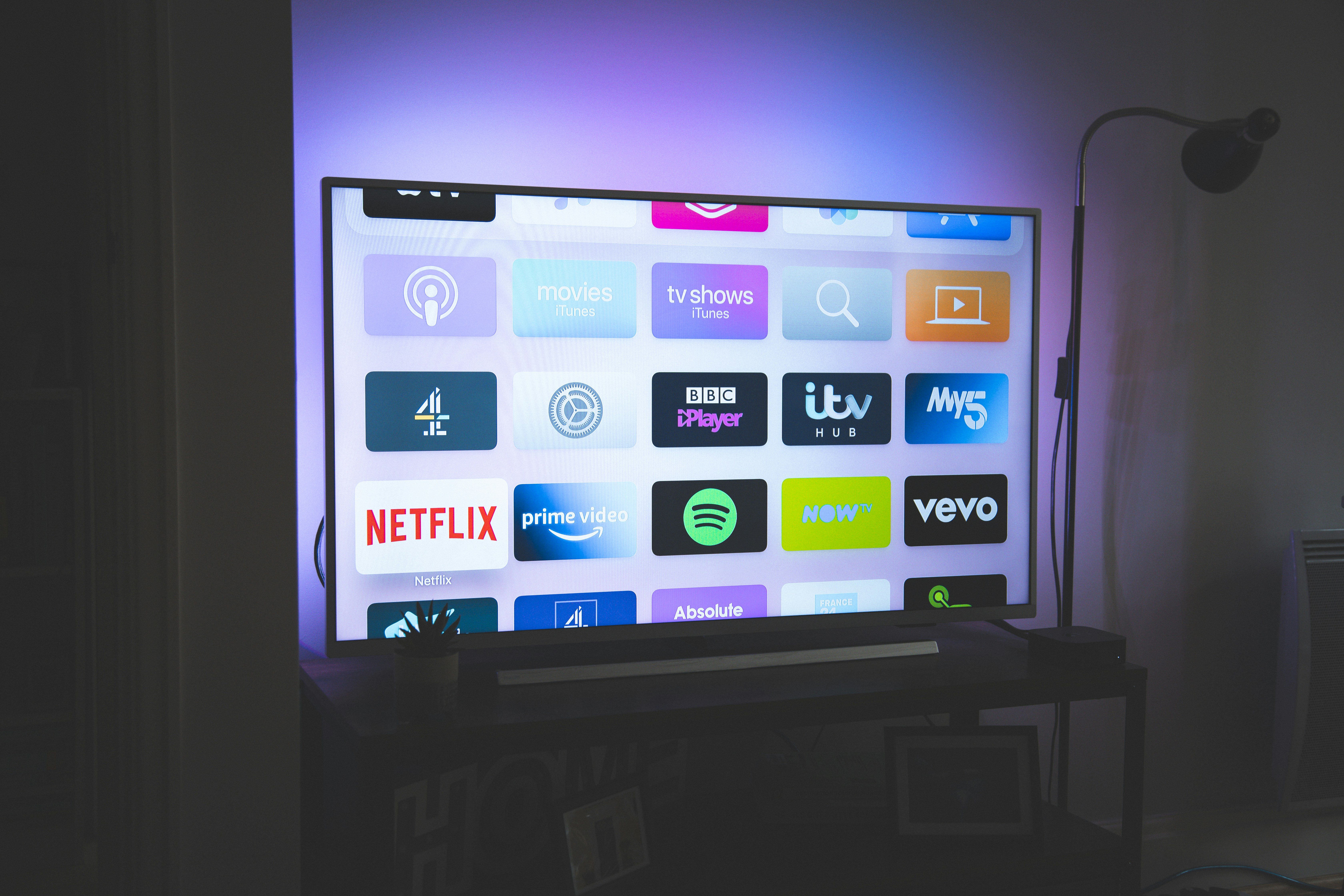
If you’re researching streaming TV advertising, you’ve probably seen a wide range of answers.
Some articles claim streaming TV ads cost thousands of dollars per campaign. Others suggest you can get started for just a few dollars per day.
So what’s the truth?
The answer depends on who you’re trying to reach, how often you want them to see your ads, and whether you’re buying inventory directly from a streaming platform or using an audience-based advertising platform.
For most businesses, streaming TV advertising can start at approximately $26 per day, making it far more accessible than many advertisers realize.
Streaming TV ads typically cost between $20 and $50 CPM (cost per thousand impressions).
That means:
At a CPM of around $26, many advertisers can begin running campaigns with budgets starting around $26 per day.
The important thing to understand, however, is that cost alone doesn’t determine success.
The real question isn’t:
“How much does streaming TV advertising cost?”
It’s:
“How much does it cost to repeatedly reach the right audience?”
You may notice that streaming TV CPMs are often higher than traditional display advertising.
There’s a good reason for that.
Streaming ads appear in premium viewing environments where audiences are actively engaged.
Unlike banner ads that compete with dozens of other elements on a webpage, streaming ads often appear:
That additional attention creates more value for advertisers.
Higher CPMs often reflect higher-quality exposure.
Several factors influence pricing.
The broader your audience, the lower your costs may be.
The more specific your audience, the more valuable each impression becomes.
For example:
The more precise the targeting, the more important the audience quality becomes.
National campaigns typically have larger available audiences.
Local campaigns can be highly effective but often require tighter audience matching and frequency management.
One of the biggest mistakes advertisers make is focusing only on impressions.
A household that sees your ad once is unlikely to remember it.
Most successful campaigns rely on multiple exposures over time.
That’s why effective streaming campaigns are often designed around frequency, not just reach.
Not all streaming inventory is equal.
Premium streaming environments typically command higher rates because they deliver higher attention and stronger engagement.
Absolutely.
A common misconception is that streaming TV advertising is only available to enterprise brands.
That may have been true several years ago.
Today, businesses can launch campaigns with budgets that are often comparable to what they already spend on search or social media advertising.
Many local businesses, service providers, agencies, healthcare organizations, political campaigns, and multi-location brands now use streaming advertising as a core channel.
The technology has become significantly more accessible.
Traditionally, advertisers had to decide where to run.
Should you advertise on:
This approach creates unnecessary complexity.
Consumers don’t stay on a single platform.
A household may watch Netflix tonight, Hulu tomorrow, and live sports over the weekend.
Choosing the “right” platform becomes guesswork.
Modern streaming advertising is moving toward audience-based delivery.
Instead of asking:
“Which streaming platform should I buy?”
Advertisers are increasingly asking:
“Which households do I want to reach?”
Once the audience is identified, the platform handles delivery across available streaming inventory.
This allows campaigns to follow viewers across multiple streaming environments instead of relying on a single service.
AdLever was built around a simple idea:
Focus on the audience, not the platform.
Instead of forcing advertisers to purchase inventory one streaming service at a time, AdLever allows businesses to define who they want to reach and then delivers campaigns across available streaming inventory.
This includes access to premium streaming environments, connected TV inventory, OTT platforms, live television streaming, sports content, and other high-attention video placements.
The result is a simpler process:
No media buying expertise required.
For many businesses, the answer is yes.
Streaming combines the impact of television with the targeting capabilities of digital advertising.
When executed properly, it can deliver:
The key is focusing on the right audience, sufficient frequency, and premium inventory—not simply chasing the lowest CPM.
Most streaming TV campaigns fall between $20 and $50 CPM, which means many advertisers can start with budgets around $26 per day.
However, the real determinant of success isn’t the CPM.
It’s whether you’re consistently reaching the right households often enough to influence their behavior.
If you’re ready to launch a streaming TV campaign without navigating multiple platforms and vendors, AdLever provides a self-service way to reach targeted households across premium streaming inventory from a single dashboard.
Build an audience from your own contacts or verified household data, and reach those households on the devices they actually use.