%20(1).webp)
Practical guidance on writing display ad copy that captures attention and drives action.
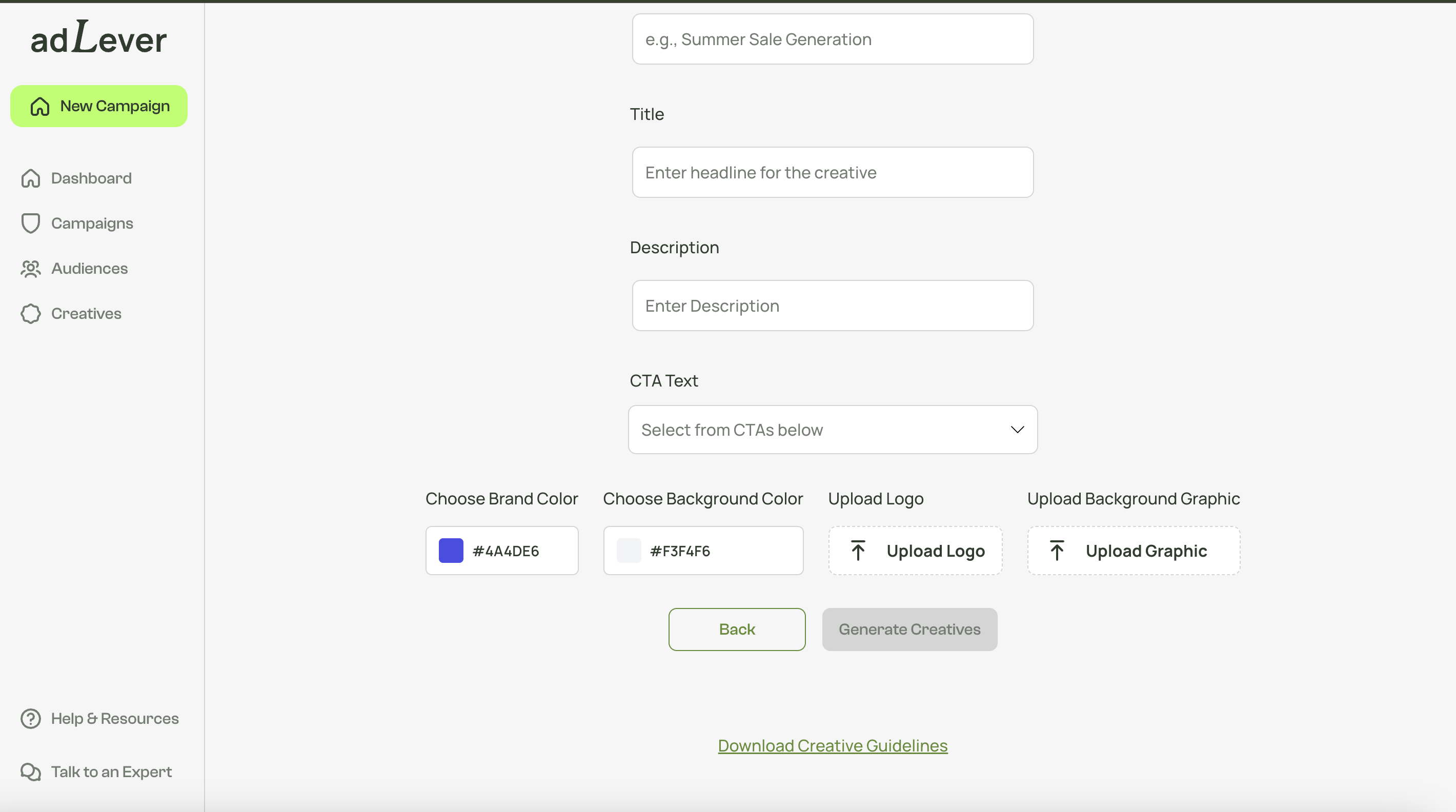
Creating effective copy for display ads is essential for small business owners wanting to boost their online visibility. Display ads often serve as the first impression a potential customer has of your brand, making it crucial to catch their eye quickly.
Before you begin writing, it’s important to know your audience. Understanding their preferences and pain points helps you create a message that speaks directly to them.
Start with buyer personas that represent your ideal customers. If you sell outdoor gear, for example, consider targeting customers who love hiking and adventure sports. Using specific details helps refine your tone, choice of words, and the benefits you emphasize.
Your headline is your ad’s first impression, so make it count. A strong headline is clear and enticing.
Use active language and a sense of urgency to encourage clicks. Instead of “Our Products,” try something like “Transform Your Space Today!” That kind of rephrasing captures attention and motivates the reader to act.
In display ads, brevity is key. With limited space to convey your message, it’s essential to communicate clearly and simply.
Avoid complex jargon and lengthy sentences that could confuse your audience. Stick to short sentences and straightforward language—something like “Get fit fast with our 30-minute workouts” is easier to grasp quickly than more complex wording.
Focusing on benefits instead of features is crucial for customer engagement. Features describe what your product is; benefits demonstrate how it improves lives.
Rather than “Our software includes advanced analytics,” try “Make smart decisions effortlessly.” That shift connects with customers more effectively because they see a direct benefit to their own lives.
A sense of urgency can encourage immediate action. Phrases like “Limited Time Offer” or “Only a Few Left!” can prompt potential customers to act now.
Just make sure the urgency is genuine to build trust—if customers feel misled, they may not return.
A strong call to action guides your audience on what to do next. It should be clear and direct, using phrases like “Shop Now” or “Get Your Free Trial.”
Make the CTA stand out visually with contrasting colors or bold fonts—if your ad background is blue, try a bright contrasting color for the CTA button.
A/B testing is a powerful way to identify what works best with your audience. Create variations of your ad copy and test them against each other.
Try different headlines, CTAs, and images. If one variation emphasizes savings while another highlights quality, compare the results to see which resonates better with your audience.
As mobile traffic continues to grow, optimizing your ads for mobile viewing is essential. Keep your copy short and engaging, since mobile users prefer quick, digestible information, and make sure your CTA is easy to tap on smaller screens.
While the focus here is on copy, visuals also play a significant role in display ads. A well-chosen image can enhance your message greatly. Use high-quality images that reflect your brand and align with your message—if you sell organic food, images of fresh, colorful produce can complement your copy effectively without overshadowing it.
Once your display ads are live, monitor their performance frequently. Use analytics tools to track click-through rates, conversion rates, and audience engagement.
If certain ads aren’t performing well, don’t hesitate to make changes—adjust the copy, replace visuals, or revisit your target audience to make sure you’re reaching the right people.
Writing effective copy for display ads is a skill that can enhance your business’s success. By understanding your audience, crafting engaging headlines, and focusing on benefits, you can create ads that catch attention and encourage action. Continually test different variations, optimize for mobile, and lean on strong visuals to amplify your message. Create and refine your display ads with AdLever.
Shorter than feels natural. A display ad competes with everything else on the page and is often seen for less than a second, so a headline of roughly five to eight words plus one supporting line is a sensible working limit. The constraint is physical as well as editorial: a 160 x 600 wide skyscraper leaves very little room, and copy written for a large rectangle will not fit inside it. Write the headline, cut it, then check it at the smallest size you plan to run before deciding it works.
Two or three is usually enough to start. Testing more at once splits your impressions so thinly that no single version gathers enough data to be conclusive, which is especially limiting on a modest budget. Change one element at a time—the headline, or the call to action, or the image, not all three—so the result tells you which change actually mattered. Once a clear winner emerges, keep it as the control and test the next element against it.
Yes, closely. If the ad promises a specific offer and the page opens on something more general, the visitor has to work out whether they arrived in the right place, and many will simply leave. Repeating the ad’s headline near the top of the page confirms the connection. This matters more for display than for search, because display visitors were not looking for you—the ad interrupted them, so the link between the two has to be obvious. More on choosing a landing page.
Build an audience from your own contacts or verified household data, and reach those households on the devices they actually use.