%20(1).webp)
A well-structured landing page draws users in and converts them, significantly improving campaign ROI.
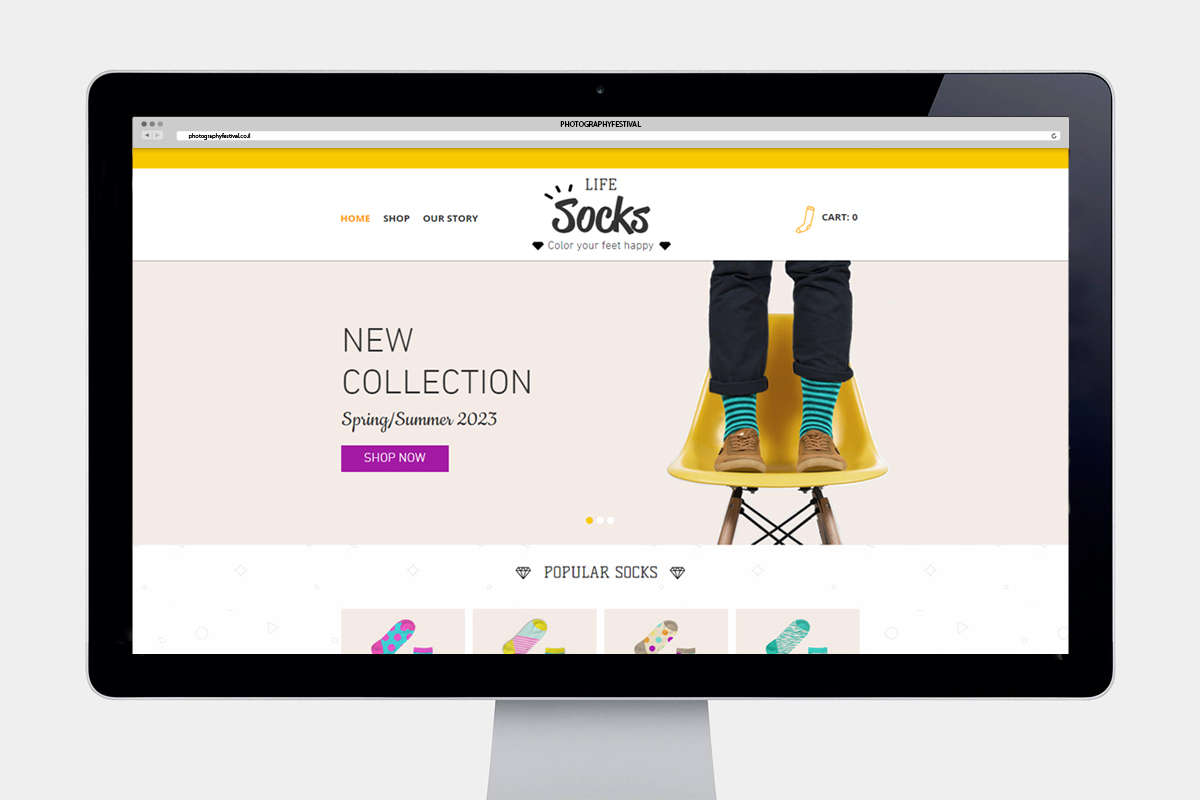
In digital marketing, display ad campaigns stand out as vital tools for attracting potential customers. But the effectiveness of these campaigns often relies heavily on one key component: the landing page. A well-structured landing page can act like a magnet, drawing in users and converting them into customers, boosting your return on investment significantly.
Gaining insight into your target audience is the first step toward crafting an effective landing page. Knowing who your potential customers are helps you create content that piques their interest.
Start by identifying the core demographics of your audience—age, gender, location, and interests—and segment your audience according to those traits. If you’re targeting young adults, your content and visuals should reflect their preferences and values.
Use analytics tools to review how visitors interact with your website. Understanding behavior patterns, such as which pages hold attention longest, can guide the overall design and content strategy of your landing page.
Once you have a clear picture of your audience, you can choose a landing page that resonates with them and maximizes engagement.
Your landing page must reflect the key messages in your display ads. If your ad promotes a limited-time discount, the landing page should offer detailed information about the product and clear details about the promotion. A consistent message across ad and landing page tends to reduce bounce rates.
With a majority of web traffic coming from mobile devices, your landing page needs to be mobile-responsive. A design that adapts seamlessly to different screen sizes improves user experience and conversion rates.
Page load times are critical—slow-loading pages lose visitors quickly. Optimizing images, minimizing code, and using browser caching helps your landing page load swiftly, reducing bounce rates and boosting conversions.
The headline is your first opportunity to capture attention. It should be clear and engaging, encouraging visitors to continue reading. Test a few variations to see what resonates.
Need inspiration? Read our post on how to write effective ad copy.
Quality visuals make your landing page more engaging. Use images, videos, and graphics that support your messaging and resonate with your audience. If you’re selling fitness equipment, for example, a video demonstration of the product in action can have a powerful impact.
Not a graphic designer? AdLever’s creative generation tool can help.
Your call-to-action needs to be direct and visible. Use action-oriented language to prompt users to take the desired action, and consider adding CTAs throughout the page to guide users naturally toward conversion.
To build credibility, incorporate elements such as customer testimonials, ratings, or security badges. Testimonials from satisfied customers can alleviate concerns and motivate visitors to act.
A focused landing page should minimize distractions. Remove any unnecessary elements that could divert attention from the main goal. A tidy layout helps users stay focused on converting.
Once your landing page goes live, continuous testing and optimization are crucial. A/B testing can uncover which elements resonate most with your audience.
Try out different headlines, visuals, and CTAs. Even small tweaks—like the color of a CTA button—can lead to meaningful improvements in click-through rates.
Use analytics tools to track key metrics like bounce rates, conversion rates, and user engagement. Monitoring this data helps identify improvement areas and informs your optimization strategy.
Consider collecting user feedback through surveys or direct conversations. Understanding their experience can provide valuable insight into the effectiveness of your landing page.
Selecting the perfect landing page for your display ad campaign is essential for success. By understanding your audience, choosing a compelling destination, and incorporating the right features, you can create a landing page capable of driving conversions and maximizing ROI. Test and refine your approach consistently to keep your landing page effective over time.
AdLever Partners are a vetted group of agencies and consultants that excel at running campaigns on our platform, including helping design or redesign your campaign landing page. Get started with AdLever.
You can, but it usually underperforms. A homepage is built to serve every visitor, so it opens with general messaging and offers several paths at once. Someone arriving from a specific ad then has to hunt for the thing they clicked on, and that extra step costs conversions. A page that continues the ad’s message—same offer, same product, same wording near the top—removes the work. Reserve the homepage for ads that are genuinely about the brand rather than a particular offer.
Not for every campaign, but for every distinct offer. Two ads promoting the same product to different audiences can share a page. Two ads promoting different offers should not, because one page cannot lead with both without weakening each. A practical test: if you cannot write the page’s headline without using the word “or,” the campaigns need separate pages. Building a page per offer also makes results legible, since performance attaches to one destination rather than being split across several ads.
Enough to check before launch rather than after. Display traffic is interruptive: the visitor was doing something else and clicked on impulse, so their patience is shorter than someone who searched for you deliberately. A page that stalls loses them before it renders anything worth reading. Compressing images, trimming unused scripts, and testing on a phone over mobile data rather than office wifi will catch most problems. Test the actual page you are sending traffic to, not your homepage.
Build an audience from your own contacts or verified household data, and reach those households on the devices they actually use.